
Frequently Asked Questions
Have a question? Call 210-775-6333
Find answers to common questions about sprinkler systems, repairs, maintenance, and costs. Our goal is to help you understand your irrigation system and make informed decisions about its care.
Spring Questions
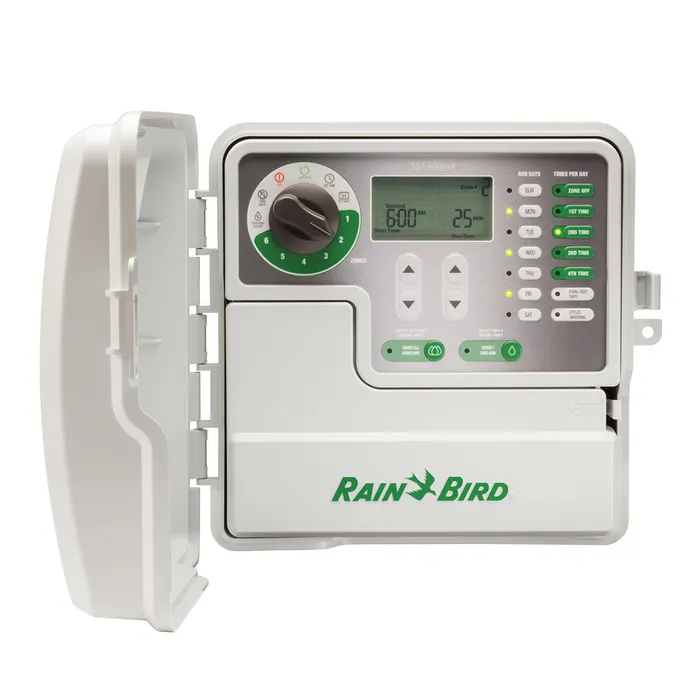
Yes, you can! However, it's wise to run each zone and inspect for leaks or winter damage. Our technicians know exactly what to look for and where, plus we're experts at programming controllers, which many homeowners find confusing. We're here to save you time and share our expertise!
We recommend waiting until the risk of a hard freeze has passed. In the San Antonio area, you're typically safe to start your system after mid-March, though some years you may need to wait until early April. Watch the forecast—if overnight temperatures will drop below 32°F, wait a bit longer.
Run each zone one at a time and walk your property looking for: broken or tilted spray heads, heads blocked by plant growth, geysers indicating broken pipes, wet spots suggesting underground leaks, and dry areas that may indicate coverage problems. Also check that your controller is displaying the correct time and date.
First, check the basics: Is the controller plugged in and displaying correctly? Is the main water supply to the system turned on at the backflow preventer? Is the rain sensor dry? If those check out, you may have a stuck valve, tripped breaker, or freeze damage. Call us and we'll diagnose the problem.
General Questions
Generally, yes. We need access to turn on the water supply and your irrigation controller. The same applies for winterization services. However, if you have a lockbox or can provide access another way, let us know and we'll work with you. We always leave a detailed invoice describing what work was performed.
Rain sensors are devices that interrupt your automatic watering cycle when sufficient rainfall has occurred. They save water and money, prevent overwatering that can damage plants, and eliminate the embarrassment of your sprinklers running during a rainstorm. Texas law requires rain sensors on all new irrigation system installations.
Winterization protects your irrigation system from freeze damage. Water left in pipes, valves, and sprinkler heads can expand when frozen, causing cracks and breaks that lead to expensive repairs in the spring. While San Antonio winters are relatively mild, we still experience freezing temperatures that can damage unprotected systems.
Proper lawn watering is one of the most demanding chores for homeowners. During San Antonio's hot, dry summers, your lawn can suffer damage within days without adequate irrigation. An automatic system eliminates the hassle of dragging hoses and ensures your lawn receives consistent, properly timed watering. You'll have a healthier lawn, save time, and may even use less water than manual watering.
Most residential lawns in the San Antonio area require between 1 and 1.5 inches of water per week during summer. The key to a healthy lawn is deep, infrequent watering rather than shallow, frequent watering. This encourages roots to grow deep into the soil where moisture is more consistent, making your lawn more drought-resistant.
Early morning (4-6 AM) is ideal. Watering in the early hours allows moisture to soak deep into the soil before the heat of the day causes evaporation. It also ensures grass blades dry before nightfall, reducing the risk of fungal diseases. Avoid afternoon watering (high evaporation) and evening watering (promotes disease).
Drip irrigation delivers water directly to plant roots through a network of tubes and emitters. It's highly efficient because water goes exactly where it's needed, reducing waste from evaporation and runoff. Drip systems are excellent for flower beds, gardens, and individual shrubs or trees. They use 30-50% less water than traditional spray irrigation.
Actually, no—an automatic system typically uses less water. Properly programmed controllers with rain sensors deliver precisely the amount of water your landscape needs, preventing both overwatering and underwatering that's common with manual methods. Smart controllers can save even more by adjusting for weather conditions.
If the leak is constant (present even when the system isn't running), shut off water at the main connection point or backflow preventer. If the leak only occurs during operation, turn off that specific zone at your controller. Then call San Antonio Sprinkler Repair—we offer same-day emergency service for major leaks and can schedule routine repairs quickly.
Repair Questions
Repair costs vary depending on the issue. Simple repairs like replacing a broken sprinkler head typically cost $50-100. Valve repairs usually run $75-150. More complex issues like pipe leaks or controller problems may cost $100-300+. We always provide an upfront estimate before beginning work—no surprises.
Most common repairs (broken heads, minor leaks, valve issues) take 30 minutes to 2 hours. More complex problems like finding underground leaks or replacing multiple valves may take half a day. Major system overhauls could require a full day or multiple visits. We'll give you a time estimate when we diagnose the problem.
Yes! All labor and parts we provide are covered by our warranty. If something we repair fails within the warranty period, we'll come back and fix it at no charge. We use only quality parts from trusted manufacturers like Rain Bird, Hunter, and Toro to ensure reliable, long-lasting repairs.
Absolutely! Spray heads can become misaligned over time due to lawn mower impacts, foot traffic, or settling soil. In many cases, we can simply adjust the head. If the head is damaged, we'll replace it with a matching unit. Proper head alignment is important for efficient watering and preventing water waste on sidewalks and driveways.
Several things could cause a single zone to fail: a faulty valve, cut wire to that zone's valve, clogged heads, a controller problem, or a shutoff somewhere in that zone's line. We use diagnostic tools to identify the cause quickly without unnecessary digging. Often it's a simple fix like a damaged wire connection or debris in the valve.
This indicates a broken pipe, usually at a fitting or where the line was damaged. First, shut off water to your irrigation system at the backflow preventer or main shutoff. If water continues flowing, the break may be in the main line before the shutoff. Call us immediately—we offer same-day service for emergencies like this.
Maintenance Questions
We recommend a professional inspection at least once per year, typically in spring when you activate your system. This checkup includes running all zones, adjusting heads, checking for leaks, programming your controller for the season, and testing your rain sensor. Many problems are easier (and cheaper) to fix when caught early.
Regular homeowner maintenance includes: checking each zone monthly for broken or clogged heads, keeping vegetation trimmed away from spray patterns, adjusting controller schedules seasonally, and watching for wet spots that might indicate leaks. Clean spray head filters if you notice reduced water flow. Replace controller backup batteries annually.
In San Antonio, reduce watering by 25-40% in spring and fall compared to summer. During winter (when grass is dormant), you may only need to water once every 2-4 weeks to prevent desiccation. Smart controllers handle this automatically based on weather data. For traditional controllers, manually reduce run times or watering days as temperatures cool.
Low pressure can result from: too many heads on one zone (system design issue), a partially closed valve or water supply, clogged filters in heads or drip system, a main line leak diverting water, or low municipal water pressure. We can diagnose the cause and recommend solutions—sometimes it's as simple as cleaning a filter or adjusting a valve.
Cost Questions
A complete new irrigation system for a typical San Antonio home (1/4 to 1/2 acre lot) typically costs $2,500-5,000 installed, including controller, valves, piping, heads, and a rain sensor. Larger properties, complex landscapes, or premium features (smart controllers, drip zones) will cost more. We provide quotes during our service call tailored to your specific property.
For most homeowners, absolutely. An automatic system saves 4-6 hours of manual watering per week during summer. It waters more consistently and efficiently than dragging hoses, resulting in a healthier lawn. It increases property value and curb appeal. Most systems pay for themselves in time savings and healthier landscaping within a few years.
We work with all major irrigation brands including Rain Bird, Hunter, Toro, Weathermatic, and Irritrol. For smart controllers, we install Rachio, Rain Bird Wi-Fi, Hunter Hydrawise, and Orbit B-hyve. We'll recommend equipment based on your needs and budget—we're not locked into any single brand.
For larger projects like new installations or major system upgrades, we offer several payment options. Ask us about financing when you request an estimate. For routine repairs and maintenance, we accept cash, check, and all major credit cards.
Still Have Questions?
Our team is here to help! Give us a call and we'll be happy to answer any questions about your sprinkler system.
Ready to Fix Your Sprinkler System?
Contact San Antonio's trusted irrigation experts today for fast, professional service.